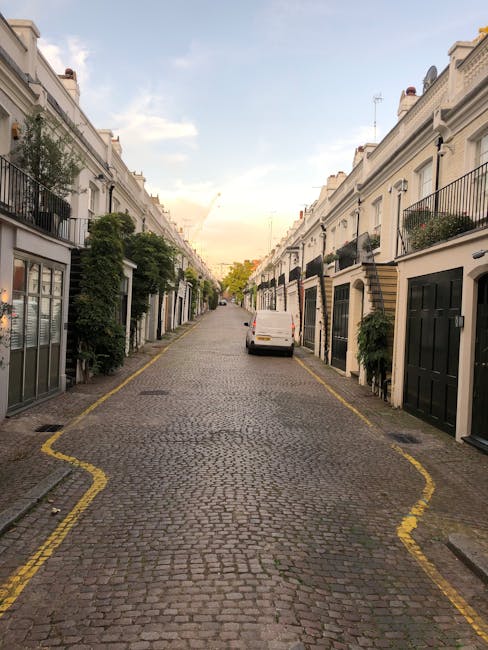
What to know about rubbish collection for narrow Central London mews
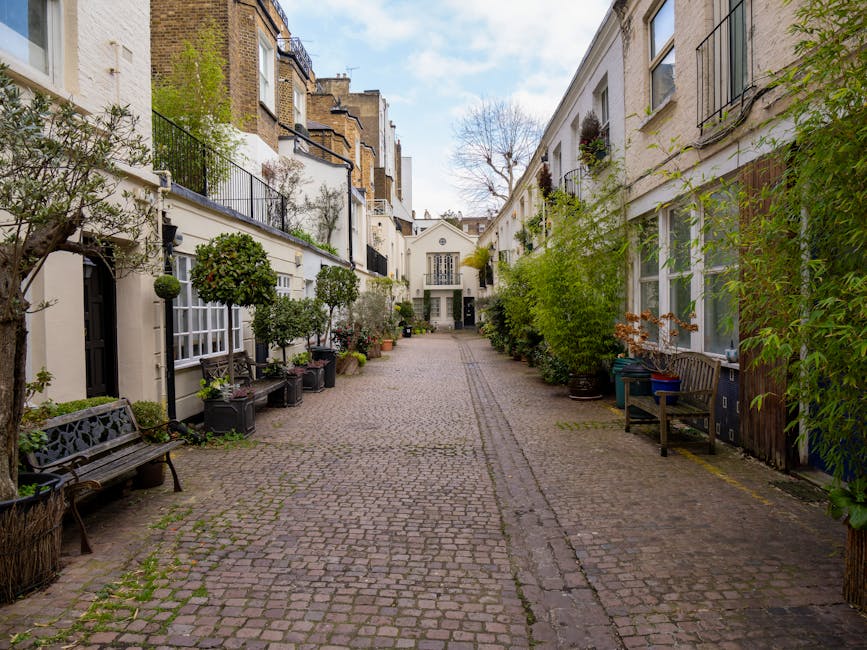
Narrow Central London mews can be beautiful, characterful, and a little awkward when it comes to waste. The lanes are tight, parking is limited, and one badly placed bag can block a whole stretch before you have even finished your tea. If you are trying to sort rubbish collection for narrow Central London mews, the main challenge is not just removing waste; it is doing it cleanly, quickly, and without upsetting neighbours, access routes, or building rules.
This guide explains what actually matters in these streets: how collections work, where things usually go wrong, what to prepare in advance, and how to make the process smoother from start to finish. Whether you are a resident, landlord, managing agent, or tradesperson, the aim is the same - get rid of rubbish without turning a narrow mews into a minor obstacle course.
Why rubbish collection in narrow mews matters
Central London mews were not really designed for today's volume of packaging, renovation waste, old furniture, and bulky household items. They were designed for access, service, and, historically, horses and carriages. That matters. The geometry of the street changes everything. A van that would be fine on a wide road can feel enormous in a narrow mews, and a few extra bin bags can suddenly cause a bottleneck.
There is also a social side to it. In a mews, people are closer together. Noise carries. A late collection, dragging bins across paving, or leaving debris behind can quickly annoy neighbours. To be fair, nobody enjoys stepping around a broken shelf or a leaking sack at 8 a.m.
That is why rubbish collection here is about more than removal. It is about timing, access planning, careful loading, and making sure the street looks as though nothing chaotic happened there. The best collections are almost invisible. You notice the space afterwards, not the mess beforehand.
For businesses, landlords, and residents in nearby Central London areas, a wider disposal plan can also help. If you are dealing with mixed waste across a property, it can be useful to understand broader services such as rubbish collection, rubbish removal, and waste collection so you are not trying to solve a narrow-street problem with a one-size-fits-all approach.
How rubbish collection works in practice
In a narrow mews, rubbish collection usually starts with access planning rather than lifting. That sounds obvious, but it is the bit people skip. The collection team needs to know where they can stop, how far waste must be carried, whether parking is possible, and whether there are gates, steps, courtyard turns, or overhead obstacles. Sometimes the walk from the property to the vehicle matters as much as the load itself.
Most jobs follow a simple pattern:
- Assess the waste - what type it is, how much there is, and whether anything is bulky, heavy, fragile, or restricted.
- Check access - can a vehicle pause nearby, or will everything need to be moved by hand?
- Plan timing - early mornings, quiet mid-morning slots, or off-peak hours often work best in Central London.
- Load efficiently - items are separated, stacked safely, and carried out with minimal disruption.
- Clear up properly - the final sweep matters just as much as the pickup.
In some mews, the collection is handled as a quick kerbside pickup if access allows. In others, it becomes more of a walk-out service, where items are moved from the property to the vehicle in stages. If the rubbish includes furniture, broken fixtures, or mixed household items, the job may sit alongside broader clearance work such as home clearance, flat clearance, or even furniture disposal.
And yes, the layout of the mews really changes the method. A few metres can be the difference between a calm pickup and a tense shuffle with a sack truck while somebody waits to get their car out. Not glamorous, but very real.
Key benefits and practical advantages
Good rubbish collection in a narrow mews does a lot more than take things away. It protects the street, saves time, and reduces avoidable friction with neighbours and building managers.
- Less disruption: Careful collection keeps walkways open and avoids blocking gates, driveways, or shared access points.
- Cleaner presentation: Mews are often visible from multiple homes at once, so tidiness matters more than it might on a larger road.
- Faster turnaround: A well-planned pickup is usually much quicker than piecemeal bin runs over several days.
- Reduced lifting risk: Moving heavy bags or awkward items through narrow spaces is easier when it is planned properly.
- Better neighbour relations: Nobody wants a local row over bins, broken glass, or a blocked passageway.
There is another benefit people overlook: clarity. When the waste is collected in one go, everyone knows what is gone and what still needs attention. That is especially useful for landlords, agents, and small businesses trying to reset a property quickly.
For larger clear-outs, a more complete waste solution can be helpful. Services like rubbish clearance, waste removal, or waste disposal may suit mixed loads better than trying to sort every item individually. Sometimes that is just the sensible route.
Who this is for and when it makes sense
This topic is relevant to a surprisingly wide group of people. Narrow mews are often home to private residents, small landlords, boutique offices, short-let operators, tradespeople, and property managers. Each one has different pressures, but the access problem tends to look very similar.
It makes sense to plan a dedicated collection if you are dealing with:
- bulky household rubbish that will not fit in ordinary bins
- broken furniture, mattresses, or sofa pieces
- renovation leftovers from a small building job
- garage or storage space that has quietly filled up over time
- office items, packaging, or mixed business waste
- garden waste from courtyards, planters, or rear access spaces
Some properties in mews lanes also sit close to major business districts, so collection needs can be a bit mixed. One week it is a spare wardrobe and a box of old lamps. Next week it is a pile of contractor offcuts and packaging. If that sounds familiar, it may be worth looking at office clearance, builders waste, or business waste depending on the type of load.
Truth be told, narrow mews are where small waste problems become inconvenient faster. A few bags can sit around for days because there is nowhere sensible to put them. That is usually the signal to arrange a proper collection rather than wait and hope.
Step-by-step guidance
If you want the job to go smoothly, a small amount of preparation pays off. The process is not complicated, but it does reward people who think ahead by even half an hour.
1. Identify everything that needs collecting
Walk through the property and separate general waste, recycling, bulky items, and anything that may need special handling. This is where confusion starts if you are not careful. One bag of mixed rubbish is easy; ten bags with half-demolished furniture, loose fittings, and old paperwork is more of a puzzle.
2. Measure the access, not just the waste
Check the width of gates, alley turns, basement steps, and any low clearances. In a mews, the route to the vehicle is part of the job. If the waste will need to be carried by hand for a distance, say so early. It is much better to plan than to discover the tight corner after the van is already there.
3. Choose a practical collection window
Mews streets are often busiest when residents are coming and going, which is predictable but still easy to ignore. A quieter slot can avoid awkward backing-up manoeuvres, honking, or that slightly embarrassing pause when everybody is trying to squeeze past each other at once.
4. Keep the load simple
Stack bags neatly, separate sharp items, and keep anything breakable in a visible bundle. If you are clearing a property with furniture, it may help to treat those items separately through sofa removal or broader house clearance if there is more than one room involved.
5. Make the exit route obvious
Open gates, move cars where possible, and clear a path through shared areas. A clean route reduces carry time and keeps the job neat. Small thing, big difference.
6. Do a final sweep
Before the collection is finished, check for debris, dust, screws, and loose bits around thresholds or kerbs. In a narrow street, those tiny leftovers stand out more than they should. A quick sweep saves a follow-up complaint. Simple as that.
Expert tips for better results
A lot of smooth collections come down to small decisions made before the van arrives. Here are the habits that genuinely help.
- Label what is leaving: Especially useful in shared mews courts or multi-occupancy buildings.
- Use smaller loads if needed: Sometimes two lighter carries are safer than one awkward, overfilled one.
- Protect the route: Cardboard, mats, or simple coverings can help if items are being carried through a finished hallway or courtyard.
- Keep neighbours informed: A quick heads-up avoids surprise and usually keeps everyone happier.
- Plan for mixed waste: If the job includes odd items from a cellar, garden, or garage, group them before collection day.
One practical trick: take a photo of the waste pile before you move anything. It sounds a bit boring, but it helps you remember what is meant to go and what is staying, especially if the property has multiple occupants. Nobody wants a stray box accidentally disappearing with the wrong load. That happens more than people admit.
If the mews property has a courtyard or tucked-away storage space, services such as garage clearance, garden clearance, or waste clearance can be a better fit than thinking only in terms of ordinary bin collection.
Common mistakes to avoid
Narrow mews collections often go wrong in familiar ways. The good news? Most of them are avoidable.
- Leaving waste out too early: It can obstruct neighbours, attract unwanted attention, or get moved around before collection.
- Underestimating the carry distance: A short-looking route can become much longer once you account for stairs, corners, and parked vehicles.
- Mixing waste types carelessly: Sharp items, bulky furniture, and loose rubbish should not all be bundled the same way.
- Not checking permissions: Some mews have shared access rules, gates, or management expectations that need to be respected.
- Assuming every collection can stop anywhere: In tight Central London lanes, vehicle positioning matters a great deal.
Another common mistake is trying to solve a clearance problem in stages for too long. A single box is manageable. Then another appears. Then a chair. Then a bit of old underlay. Before you know it, the corner looks like a tiny depot. Better to clear decisively and move on.
Let's face it, rubbish has a funny way of breeding when nobody is watching it.
Tools, resources and recommendations
You do not need specialist kit for every job, but a few basics can make a big difference in a narrow mews setting.
- Heavy-duty sacks: Better for tidy lifting and less likely to split on awkward paving.
- Gloves and closed footwear: Common sense, but worth saying.
- Wheelie bins or containers: Useful for staging waste if the collection is not immediate.
- Moving blankets or cardboard protection: Helpful when carrying items through communal or finished areas.
- Tape, labels, and marker pens: Good for sorting loads before pickup.
- Sack trucks or trolleys: Handy where the route is flat enough and space allows.
For larger household or property resets, related services can help you keep the job tidy and reduce the number of separate collections. For example, home clearance can be useful for a whole property, while flat clearance works well for compact homes with limited access. If the main issue is just a single bulky item, keep it simple and use rubbish removal or rubbish clearance.
Sometimes the best tool is not a tool at all, just a clean plan and a clear walkway. Funny how often that wins.
Law, compliance, standards and best practice
Waste handling in London should always be approached carefully. While local requirements can vary by property type and council area, a few principles are broadly sensible and widely expected in the UK.
First, waste should be stored and presented responsibly so it does not create a hazard, obstruct access, or cause nuisance. In narrow mews streets, this matters even more because the margin for error is small. Second, any collection service should operate with proper care around loading, transport, and disposal. Third, if the waste includes mixed materials from works, business activity, or furniture removal, the job should be planned in a way that respects safety and proper disposal routes.
Best practice usually means:
- keeping access routes clear
- sorting waste where possible before collection
- handling sharp or heavy items with care
- avoiding fly-tipping or illegal dumping of any kind
- ensuring loads are not left in a way that blocks residents or emergency access
If you are coordinating collections for a managed block, it is wise to check building rules and agree timing in advance. That is especially true in neighbourhoods close to mixed residential and commercial streets such as Central London, where footfall and vehicle movement can shift through the day.
When in doubt, keep the process simple, documented, and tidy. That is usually the safest approach, and frankly the least stressful one too.
Options, methods, and comparison table
There is no single perfect method for every narrow mews. The right choice depends on the amount of waste, the kind of access you have, and how quickly the space needs to be cleared.
| Method | Best for | Pros | Potential drawback |
|---|---|---|---|
| Kerbside pickup | Light, neatly bagged waste with easy street access | Quick and straightforward | Not ideal where vehicles cannot stop safely |
| Walk-out collection | Properties with tight entrances or limited stopping space | Works well in narrow streets | Requires more carrying and route planning |
| Full clearance | House moves, refurbishments, or major clear-outs | Removes multiple waste types in one visit | Needs more preparation upfront |
| Specialist item removal | Sofas, furniture, or bulky single items | Efficient for awkward loads | Less useful if you also have general waste to remove |
For many mews properties, the middle ground works best: a walk-out collection supported by sensible sorting. If the job is bigger than expected, shifting to a broader service such as waste removal or house clearance can save time and reduce repeat visits.
Case study or real-world example
Picture a small mews property off a busy Central London street. It is early autumn, the light is still soft, and there is a narrow gap between two parked cars that looks just wide enough for a trolley, but not much more. The household has been meaning to deal with old shelving, a worn sofa, six bags of mixed rubbish, and a broken storage unit in the back room.
At first glance, it looks like a simple job. It never does, of course. Once the collection is checked properly, the team realises the sofa needs to come out first, the shelving has sharp brackets, and the bags are heavier than they looked. The route through the courtyard is tight, and one gate sticks slightly when opened too fast. So the collection is split into a sensible sequence: furniture first, then mixed rubbish, then a final sweep of the entrance and the storage corner.
The whole thing finishes cleanly because the planning happened before anything was lifted. No blocked doorway. No shouting across the street. No random pile left behind because somebody forgot about the last two bags. Just a neat, quiet exit. That is what good rubbish collection in a narrow mews should feel like.
If the job had turned out to be a larger set of items from several rooms, a more complete service like flat clearance or sofa removal would have made even more sense. The right service is the one that matches the access, not just the waste pile.
Practical checklist
Use this before collection day. It saves headaches. Honestly, it does.
- Confirm what is being collected
- Separate bulky items from loose rubbish
- Check gate widths, steps, and tight turns
- Identify where the vehicle can stop safely
- Move cars or obstacles if possible
- Protect hallways, thresholds, or shared surfaces
- Keep sharp or heavy items clearly grouped
- Tell neighbours or building management if needed
- Leave the final route clear for carrying waste out
- Do a last sweep for dust, screws, and fragments
If the waste includes outdoor material or stored clutter, it can also help to think in zones: inside, outside, loft, garage, garden, and communal space. That way you do not miss the awkward little pile behind the bins, which is usually where the odd bits hide.
Get a free quote today and see how much you can save.
Conclusion
What to know about rubbish collection for narrow Central London mews comes down to this: access is everything, timing matters, and neat planning beats rushed lifting every time. These streets need a more careful approach than standard roadside waste pickup, but the job becomes much easier once the route, load, and collection method are all matched properly.
Whether you are clearing one awkward item or dealing with a bigger mixed load, the key is to stay organised and think about the street as well as the rubbish. A good collection should leave the mews feeling calmer, not more chaotic. That is the goal, really.
And when it all goes smoothly, there is a small but satisfying moment as the space opens up again - quiet, clean, and back to itself.
Frequently Asked Questions
How do rubbish collections work in narrow Central London mews?
They usually rely on careful access planning, short carry distances where possible, and timed pickups that avoid blocking the lane. In many cases, the waste is moved by hand from the property to the vehicle because the street is too tight for casual stopping.
What types of waste are most common in mews properties?
The usual mix includes bagged household rubbish, old furniture, broken storage items, packaging, small renovation leftovers, and occasional garden or courtyard waste. In a lived-in mews, the waste often builds up in odd corners rather than in one obvious place.
Is it better to book a full clearance instead of a standard collection?
If you only have a few bags, a standard collection may be enough. But if the property has multiple bulky items, several rooms to clear, or mixed waste from different areas, a broader clearance service is often more efficient and less stressful.
Can bulky items be removed from a narrow mews without blocking the street?
Usually yes, provided the route and timing are planned well. Smaller loads, careful carrying, and a vehicle positioned sensibly can make a big difference. The trick is to avoid leaving items in the lane while waiting for the rest of the load.
What should I do before the collection team arrives?
Sort the waste, clear access, move any vehicles if possible, and make sure gates or doors can open fully. If the building has shared access rules, let neighbours or the managing agent know in advance so there are no surprises.
Are mews collections more expensive than normal collections?
They can be, depending on access, carry distance, item type, and the amount of labour required. A simple kerbside pickup is different from a long carry through a tight courtyard. The exact cost depends on the job rather than the postcode alone.
What happens if there is no place for a van to stop nearby?
Then the collection may be handled as a walk-out service, where waste is carried from the property to a legal stopping point. That is common in narrow streets and is one reason access details should be discussed before the day itself.
Can I leave rubbish out the night before collection?
It is usually better not to, especially in narrow mews streets. Early placement can block access, cause nuisance, or lead to items being moved around. If you need to stage waste, keep it tidy and agreed in advance.
What if my waste includes furniture, bags, and some builder's debris?
That is a mixed load, and it often needs a more flexible approach. Items may be handled under broader services such as furniture disposal, builders waste, or general waste removal depending on what is involved. Mixed loads are common in London, so it is nothing unusual.
How do I avoid upsetting neighbours during collection?
Keep the process short, avoid early morning noise where possible, and do not block shared access points. A simple heads-up helps a lot. People are usually reasonable when they know what is happening and when it will be over.
Do I need to sort recycling from general rubbish first?
It is a good idea where practical. Sorting waste before collection can make the job cleaner, quicker, and easier to dispose of properly. Even basic separation helps when the access is tight and the street is busy.
What is the safest way to handle waste in a tight mews courtyard?
Keep walkways clear, move slowly, use proper lifting technique, and group items so you are not carrying loose, unstable loads. If something feels too awkward or too heavy, it is usually better to stop and change the plan than to force it.
When should I arrange collection instead of using bin bags over several days?
If the waste is building up, starting to block access, or includes bulky items that do not fit normal bins, it is time to arrange a proper collection. Waiting rarely makes a narrow-space problem easier. Usually it makes it a bit worse, then a bit worse again.
Can nearby London areas with similar access issues follow the same approach?
Yes, many dense parts of the city need the same careful thinking. Streets around places such as Holborn, Clerkenwell, and Covent Garden often benefit from the same access-first approach as narrow mews streets.