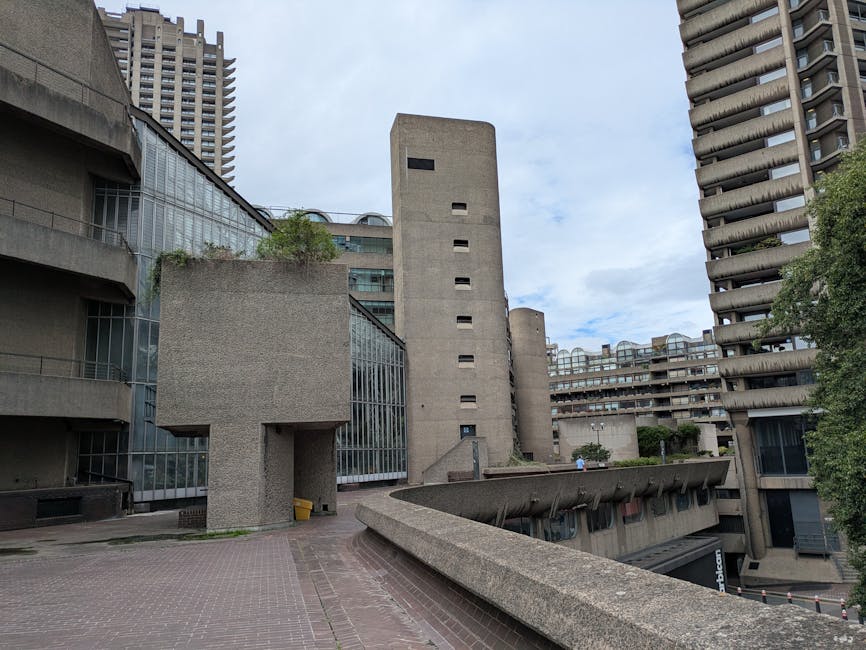
Rubbish clearance for Barbican Estate homes in Central London
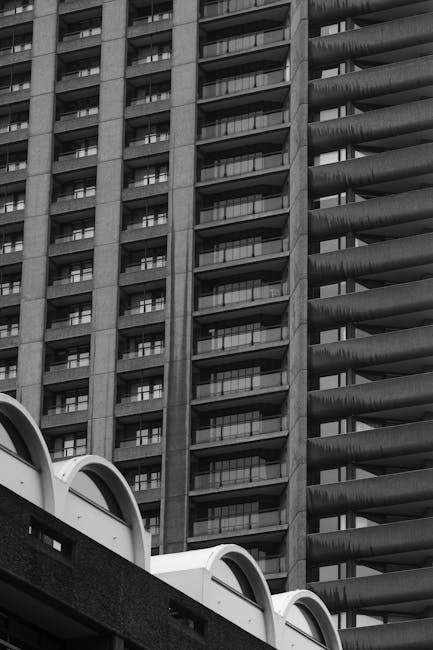
If you live in the Barbican Estate, you already know the place has its own rhythm. Quiet corridors, tight service access, lift timings, and the occasional awkward bulky item that somehow felt smaller in the shop. Rubbish clearance for Barbican Estate homes in Central London is not just about getting things out of the flat; it is about doing it cleanly, politely, and without turning a busy day into a half-finished mess in the hallway.
This guide explains how rubbish clearance works in the Barbican, what to expect, which mistakes to avoid, and how to choose the right approach for a flat, maisonette, or larger home in the Square Mile. It also covers practical considerations such as access, bulky waste, furniture disposal, and the difference between simple rubbish removal and a more complete clearance.
For a broader service overview, you can also look at rubbish clearance options and the wider waste removal service available across Central London.
Why rubbish clearance for Barbican Estate homes in Central London matters
The Barbican Estate is not a typical place to clear. That is the first thing to understand. Buildings are arranged with a mix of internal corridors, lift access, shared entrances, and service rules that reward careful planning. A simple sofa swap or a full flat clearance can affect neighbours, porter arrangements, and the overall flow of the building if it is handled carelessly.
In a setting like this, rubbish clearance matters for three reasons. First, it keeps the home safe and usable. Second, it protects shared areas from damage and clutter. Third, it avoids the sort of last-minute stress that happens when a pile of unwanted items starts creeping from the bedroom into the living room. You know the feeling. One box becomes five, then suddenly the dining chair is being used as a storage shelf. Not ideal.
There is also a local reality to consider. Central London homes often have less spare space, fewer convenient parking options, and stricter timing around collections. That means rubbish clearance is not a background task; it is part of how the home functions. Whether you are clearing after a refurbishment, a tenancy change, or simply reclaiming space, a tidy process saves time and reduces friction.
For residents dealing with mixed loads, it helps to separate needs early. A handful of bags and a broken table may fit a standard rubbish collection, while heavier furnishings might be better handled through furniture disposal. That distinction sounds small, but it often makes the whole job smoother.
How rubbish clearance for Barbican Estate homes in Central London works
Most clearances begin with a quick assessment of what needs to go. Is it loose waste, old furniture, broken appliances, or a mix of everything? The answer shapes the method. In a Barbican home, the layout matters too. A narrow hallway or lift lobby can change how items are carried, stacked, and removed.
In practice, the process usually follows a simple pattern:
- Identify the load - separate general waste, bulky items, furniture, and any special items that need extra care.
- Check access - note lift size, stair access, parking limitations, and any building rules.
- Prepare the items - bag loose waste, disassemble what can safely be broken down, and keep pathways clear.
- Remove efficiently - move items out in a controlled way so shared spaces stay tidy.
- Dispose responsibly - reuse, recycle, or dispose of waste according to its type and condition.
That last point is worth stressing. Clearance is not the same as dumping. Good waste management means sorting what can be reused or recycled and handling the rest properly. If you are dealing with a broader mix of waste, services such as waste collection or waste disposal may fit better than a one-off bag collection.
Another practical point: timing. Many residents prefer mornings or midweek slots, especially if they want to avoid heavy foot traffic in communal areas. That is not a hard rule, just common sense. A quiet Tuesday morning can be a lot easier than a late Friday rush when everyone seems to be coming and going at once.
Key benefits and practical advantages
Good rubbish clearance does more than remove clutter. It changes how a home feels. You notice it in the space itself, but also in the headroom it gives you mentally. Less visual noise, less tripping over things, fewer unfinished tasks staring back at you from the corner of the room.
- More usable space - reclaimed rooms feel larger, calmer, and easier to clean.
- Safer movement - clear floors and corridors reduce trips and accidental damage.
- Better presentation - useful for end-of-tenancy, sales viewings, or refurbishment prep.
- Less stress - fewer items hanging around means fewer decisions later.
- Improved building etiquette - careful clearance respects neighbours and shared spaces.
For many Barbican residents, there is also a design-related benefit. These homes tend to have distinctive proportions and strong architectural character, so clutter can feel especially intrusive. Clear the wrong corner and the room suddenly breathes again. Truth be told, that is often the part people remember most.
Where furniture is the main issue, a targeted approach can be more efficient than a broad sweep. For example, if you are only removing a sofa, armchair, and sideboard, a dedicated sofa removal or furniture-focused service may be the simplest route.
Who this is for and when it makes sense
This kind of clearance is useful for a wide range of residents. You do not need a dramatic event to justify it. Sometimes the reason is practical, sometimes it is emotional, and sometimes it is just because the spare room has quietly become a storage room. That happens. More often than people admit.
- Flat owners who want to refresh a home before redecorating or selling.
- Tenants who need to clear a property quickly at the end of a lease.
- Landlords and managing agents who are dealing with leftover household items.
- Families sorting through accumulated belongings after a major life change.
- Remote workers who need to turn a cluttered room into a proper workspace again.
Sometimes it makes sense after a big furniture change. Sometimes it is about a kitchen refresh, a storage room tidy, or post-renovation debris. For more involved projects, it may help to combine rubbish removal with a service such as home clearance or house clearance depending on the scale of the job.
If you are dealing with a partial move-out or a smaller estate flat, a flat clearance approach may be the best fit because it is built around compact spaces and multi-item removals.
Step-by-step guidance
A clear plan makes everything easier. The actual lifting is only part of the task; the real win is in preparation. Here is a practical way to handle it.
1. Walk through the property slowly
Start with a room-by-room review. Look for obvious waste, but also the odd hidden item: old lamps, torn storage boxes, broken shelving, spare chairs, or packaging tucked behind furniture. A quick sweep is fine, but a slower walk-through usually saves you from surprise leftovers later.
2. Group items by type
Separate loose waste, reusable items, bulky furniture, and anything sharp or fragile. This helps the clearance team move efficiently and reduces the risk of damage in hallways or lifts.
3. Protect the route out of the flat
In Barbican homes, the route matters almost as much as the items. Clear the hallway, move rugs if needed, and make sure doors can open fully. If an item needs two people to carry it, do not make the path more awkward than necessary.
4. Decide what can be reused
Not every item needs to become waste. Some furniture can be reused or passed on if it is still in decent condition. If the item is beyond use, then disposal is the right call, but it helps to make that decision early rather than at the front door.
5. Schedule the work at a sensible time
Choose a time that fits the building and your day. If you have children at home, work calls, or a tight lift window, plan around those realities. A little scheduling patience saves a lot of friction.
6. Finish with a final check
Before the job is signed off, inspect corners, cupboards, balconies, and storage areas. Small leftovers are common. A charger here, a broken stool there. It is always the tiny things that linger.
Expert tips for better results
After enough clearances, a pattern emerges: the jobs that go well are the ones where the resident does a few simple things early. Nothing fancy. Just practical habits.
- Take photos before you start so you can keep track of what is being removed.
- Label mixed items if one room has both keepers and disposal items.
- Keep loose screws and fittings in one bag when dismantling furniture.
- Use sturdy bags for small waste rather than overfilling thinner bags that can split.
- Measure bulky items if you suspect the lift or corridor may be tight.
- Ask about timing and access in advance so nobody is improvising at the doorway.
Here is a useful rule of thumb: if an item is awkward to carry in your own home, it will be even more awkward once it reaches a shared corridor. That sounds obvious, but in the rush of a clearance day, obvious things get forgotten.
Also, do not assume every service is the same. Some jobs are simple rubbish removal; others are better handled through waste clearance because the load is mixed and needs sorting. Matching the service to the mess is usually what keeps costs and stress under control.
Common mistakes to avoid
It is easy to make a clearance harder than it needs to be. Most mistakes come from rushing, not from bad intentions.
- Leaving everything until the last day - this creates panic and increases the risk of missed items.
- Mixing keep and dispose piles - one stray bag can undo an hour of sorting.
- Ignoring access limits - a lift size or parking issue can derail the whole plan.
- Overstuffing bags - split bags are messy and awkward to move.
- Assuming bulky items are easy - wardrobes and sofas usually need planning.
- Forgetting building rules - shared spaces are not the place to improvise.
One of the biggest errors is trying to treat every job like a general bin empty. In reality, rubbish removal and furniture disposal are different kinds of work. If your clearance includes a broken cabinet, mattress, and assorted bagged waste, you may need a more structured approach than a quick collection.
And yes, sometimes people discover they have been storing four broken stools and three nearly identical side tables for no real reason. It happens. We are not judging. Much.
Tools, resources and recommendations
You do not need specialist tools for most domestic clearances, but a few basics can make a noticeable difference.
| Item | Why it helps | Best used for |
|---|---|---|
| Strong bin bags | Reduces breakage and makes handling safer | Loose waste, packaging, small household items |
| Marker labels | Keeps keep, donate, and dispose piles clear | Sorting and room-by-room planning |
| Basic screwdriver or Allen key set | Helps dismantle furniture safely | Tables, beds, shelving, cabinets |
| Protective gloves | Useful for sharp edges and dusty items | Storage rooms, garages, older furniture |
| Measuring tape | Prevents awkward surprises in lifts and doorways | Bulky furniture and tight access routes |
For residents with more substantial clear-out needs, it can help to look at specialised services. A cluttered storage space may fit garage clearance logic even inside a flat, while a larger work-from-home set-up might call for office clearance if desks, chairs, and paperwork are involved.
If you want to understand the company behind the service, the about us page is a sensible place to start. For policies and terms, you can review the site's terms and conditions and privacy policy.
Law, compliance, standards, or best practice
Clearance work in London should be handled carefully and in line with accepted UK waste practice. You do not need to become a legal expert to do the right thing, but you should expect proper handling of the load, responsible disposal, and sensible care around building access and shared areas.
As a homeowner or tenant, your main responsibility is to avoid leaving waste in unsafe places, make sure items are presented clearly, and use a provider that treats disposal seriously. If you are clearing items from a building with shared entrances or managed access, it is also best practice to follow estate rules and inform the relevant people where required.
For mixed household waste, the main practical standards are straightforward: do not obstruct fire routes, do not leave sharp or dusty materials loose, and do not assume that every item can be thrown into a regular bin. Where something is reusable, it is sensible to separate it. Where it is not, responsible removal is the safer route.
Builders' debris is a separate matter. If your project includes tiles, plaster, timber offcuts, or renovation rubble, a dedicated builders waste service is usually more appropriate than a general household sweep. That distinction matters because construction waste behaves differently and can be much heavier than normal domestic rubbish.
If you are clearing on behalf of a business or a mixed-use property, it may also be better to use a dedicated business waste arrangement rather than a domestic-only approach. Straightforward really, but easily overlooked.
Options, methods, or comparison table
Different clearances need different methods. The best choice depends on volume, item type, access, and timing. Here is a simple comparison to help you decide.
| Method | Best for | Strengths | Limitations |
|---|---|---|---|
| Rubbish collection | Bagged waste and small mixed loads | Quick, straightforward, efficient | Not ideal for large furniture |
| Rubbish removal | Bulky items and general clutter | Flexible for larger household jobs | May need more preparation |
| Furniture disposal | Sofas, wardrobes, tables, chairs | Good for heavy or awkward items | Less suited to loose rubbish |
| Home clearance | Whole rooms or full properties | Comprehensive and organised | More planning required |
| Waste removal | Mixed loads across several waste types | Versatile and practical | Needs clear item sorting |
There is no single best option for everyone. A one-bedroom Barbican flat with three bags and an old desk is a different job from a family home with years of accumulated storage. The sensible choice is the one that fits the actual load, not the one that sounds simplest at first glance.
Case study or real-world example
Imagine a Barbican resident preparing for a light refurbishment. The flat has an old two-seater sofa, a broken chest of drawers, several bags of mixed clutter, and a spare room that has quietly become a storage zone. Nothing extreme, but enough to feel overwhelming once you start looking closely.
The resident begins by sorting items into keep, donate, and dispose piles. A screwdriver is used to remove a few loose fittings, and the hallway is cleared so nothing catches on the corners. The sofa is separated from the bagged waste, because trying to treat it all as one pile would have been clumsy. The final step is a short walk-through to check wardrobes, behind doors, and under the bed. Of course there was one extra box under the bed. There nearly always is.
The practical win here was not just removing the items. It was removing them in a way that respected the building, kept the route clear, and avoided unnecessary back-and-forth. That is the real value of good rubbish clearance in an estate like Barbican: a tidy result without drama.
In another common scenario, residents ask for help with a smaller set of items and realise that a focused service is enough. A sofa, a bedside cabinet, and a couple of bags can often be handled without the need for a full-home clear-out. In that case, using a narrower service saves time and keeps the day from ballooning into something bigger than it needs to be.
Practical checklist
Use this before the clearance begins. It sounds basic, but the basics are what keep the day smooth.
- Sort items into keep, donate, recycle, and dispose.
- Measure bulky furniture and check the route out.
- Confirm lift access or stair access in advance.
- Keep corridors, doorways, and entrances free of clutter.
- Bag loose waste securely and do not overfill bags.
- Separate furniture from general rubbish.
- Remove fragile items or pack them safely.
- Check cupboards, storage areas, balconies, and under-bed spaces.
- Keep keys, fobs, and building access details ready.
- Review the final room before the team leaves.
Practical summary: the smoothest Barbican clearances are usually the ones that are prepared, measured, and sorted before anything is carried out of the flat. Not glamorous, but effective.
Get a free quote today and see how much you can save.
Conclusion
Rubbish clearance for Barbican Estate homes in Central London is really about control, care, and fit. The estate has its own pace, and a good clearance respects that. When you sort the load properly, plan the access, and choose the right type of service, the job becomes much simpler than it first looks.
Whether you are dealing with a small pile of unwanted items or a fuller home clearance, the key is to stay practical. Clear what needs clearing, protect the shared space, and leave the property feeling calmer than before. That is the bit people notice most, often as soon as they open the door the next morning.
And if you are at the point where the clutter has started to feel louder than the room itself, that is usually your sign. Take it one step at a time. The space comes back, honestly it does.
Frequently Asked Questions
What does rubbish clearance for Barbican Estate homes usually include?
It usually includes the removal of bagged waste, unwanted household items, bulky clutter, and sometimes furniture depending on the job. The exact scope depends on what needs to go and how much there is.
Is Barbican Estate rubbish clearance different from a normal London flat clearance?
Yes, often it is. Barbican homes can involve more specific access rules, shared corridors, lifts, and building etiquette, so planning matters more than in a standard street-level property.
Can you remove furniture as well as general rubbish?
Yes, and that is often the better option for bulky items. Sofas, beds, wardrobes, tables, and chairs usually need more careful handling than loose waste bags.
What should I do before the clearance team arrives?
Separate keep and dispose items, clear access routes, secure small loose items, and make sure any building instructions or access details are ready. A little preparation saves a lot of hassle.
Do I need to sort waste before booking a service?
It helps a great deal. Sorting furniture from general rubbish, and keeping recyclable or reusable items separate where possible, makes the clearance faster and more efficient.
Is a full home clearance the same as rubbish removal?
Not quite. Rubbish removal is often better for mixed waste or heavier disposal jobs, while home clearance is broader and more suited to clearing multiple rooms or an entire property.
How do I know whether I need flat clearance or house clearance?
If the job is limited to a single apartment, a flat clearance is usually the better fit. If the work involves a larger property or multiple floors, house clearance may be more appropriate.
What if I only have a sofa and a few bags of waste?
That is a common kind of job. A focused furniture disposal or sofa removal service combined with a small waste collection is often enough. You do not need to overcomplicate it.
Can rubbish clearance help before decorating or refurbishing?
Absolutely. Clearing away old furniture, packaging, and leftover clutter makes decorating easier and reduces the chance of damage or delays during the work.
Are there compliance issues I should worry about?
Mostly common-sense ones: safe handling, proper disposal, keeping shared spaces clear, and using a service that follows responsible waste practice. If your waste includes builders' debris or business-related material, use the right type of service.
What is the best time to arrange a clearance in Barbican?
Many residents prefer midweek or quieter daytime slots because they are easier for access and less disruptive to neighbours. The best time is usually the one that fits both your schedule and the building's rhythm.
Can a clearance service handle mixed waste in one visit?
Often yes, provided the load is described clearly in advance. Mixed loads are common in homes, but they need enough information so the removal can be planned properly.
Where can I learn more about the wider service area?
You can explore the broader Central London coverage through the Central London service area and nearby locations such as Clerkenwell or Bishopsgate if you are comparing local options.